
What is Placenta Previa?
Placenta previa is a pregnancy condition. In this condition, the placenta covers part or all of the cervix. The placenta is an organ that gives your baby food and oxygen. Usually, it sits high in the uterus. However, with placenta previa, it is lower and blocks the birth canal. Because of this, it can cause problems during pregnancy and delivery. Placenta previa can lead to bleeding and other risks. Early care and diagnosis are important for a healthy pregnancy.
Symptoms of Placenta Previa
Placenta previa symptoms can vary. Some women may not notice any signs. Still, the most common symptom is painless vaginal bleeding in the second or third trimester. Other symptoms may include:
Sometimes, there is no pain or cramping. However, heavy bleeding can be serious. If you notice any of these symptoms, seek medical help right away.
Causes and Risk Factors
Placenta previa causes are not always clear. However, some factors can increase your risk. For example, you may be at higher risk if you:
In addition, having a large placenta or many pregnancies can raise your risk. Knowing these risk factors can help you and your doctor watch for signs early.
How Placenta Previa is Diagnosed
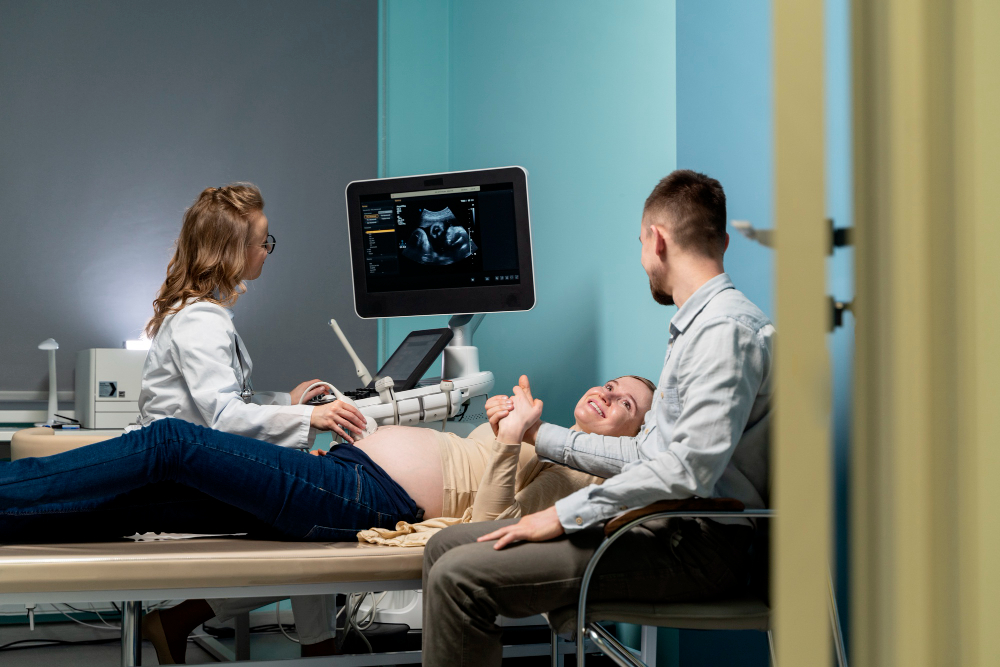
Doctors use several methods for placenta previa diagnosis. Usually, an ultrasound is the main tool. This test uses sound waves to create a picture of your uterus. Sometimes, a transvaginal ultrasound gives a clearer view. In rare cases, an MRI may be used. Your doctor will also ask about your symptoms and medical history. Because placenta previa can change as pregnancy goes on, doctors may repeat tests to check the placenta’s position.
Treatment Options
Placenta previa treatment depends on your symptoms, how far along you are, and how much bleeding you have. In many cases, doctors suggest:
If bleeding is heavy or does not stop, you may need to stay in the hospital. Sometimes, doctors give medicines to help your baby’s lungs grow faster. If the placenta still covers the cervix near delivery, a C-section is usually needed. According to the World Health Organization (WHO), careful monitoring is key for a safe outcome.
Prevention and Lifestyle Tips
Although you cannot always prevent placenta previa, some steps may lower your risk. For example, you can:
In addition, following your doctor’s advice can help keep you and your baby safe. Early care makes a big difference.
When to See a Doctor
It is important to know when to seek help. If you have any vaginal bleeding during pregnancy, call your doctor right away. Even if the bleeding stops, you should still get checked. Also, if you feel dizzy, weak, or have severe pain, seek emergency care. Early action can prevent serious problems for you and your baby. Dr. Deepa Ganji can guide you with timely evaluation and safe pregnancy care.
Placenta previa needs careful care and attention. For personalized advice on placenta previa, consult Dr. Deepa Ganji.